Sourcing Quality Spare Parts: A Must-Know Guide for IT and Information Technology

Hardver
Sourcing Quality Spare Parts: A Must-Know Guide for IT and Information Technology
In the fast-paced world of information technology, every piece of equipment counts. A single failing component can bring an entire system to a standstill, impacting not only workflows but also productivity and client satisfaction. For IT professionals and tech-savvy individuals, sourcing the right spare part is more than a maintenance routine—it’s a strategic safeguard that reinforces both performance and reliability.
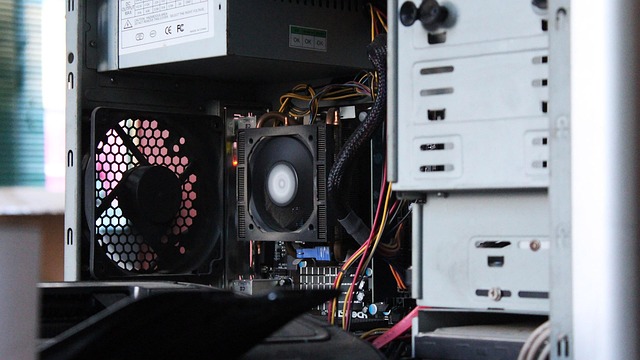
Reliable hardware forms the backbone of every modern IT infrastructure. Whether it’s a motherboard, a server power unit, a memory stick, or a hard drive for backup arrays, each component must be selected with care and precision. But what happens when one of these parts breaks down? The urgency to find an exact or compatible spare part sets in—bringing us to the critical practice of proper spare parts sourcing.
Sourcing a quality spare part requires a blend of technical knowledge and industry insight. Not all parts are created equal, and the stakes are especially high in mission-critical environments like data centers and enterprise-level IT setups. Compatibility, warranty, manufacturer reputation, and even the logistics of delivery time all influence the decision-making process. It’s not merely about replacing what’s broken; it’s about ensuring that the replacement part contributes seamlessly to the system’s efficiency.
One of the key challenges IT professionals face is verifying the authenticity and performance of spare parts in an ocean of aftermarket components and resellers. When it comes to hardware, using counterfeit or low-quality substitutes can lead to performance bottlenecks, overheating, or worse—system failure. That’s why establishing trusted vendor relationships and staying updated with original equipment manufacturers’ (OEM) specs and support policies are crucial practices.
The rise of cloud computing and virtualized environments hasn’t eliminated the need for physical hardware. In fact, many enterprises still manage hybrid infrastructures that demand constant hardware upkeep. Here, the importance of having an efficient inventory system of spare parts cannot be overstated. By anticipating which parts are most likely to fail and stocking them in advance, IT teams can drastically reduce machine downtime and increase system resilience.
Additionally, it’s essential to document every replacement and repair process for future reference. Keeping a lifecycle record of hardware and related spare parts assists with predictive maintenance and budgeting. It allows technical teams to recognize patterns in part failures and make more informed decisions when upgrading or expanding infrastructure.
Ultimately, sourcing a high-quality spare part is a blend of art and science—a practice that demands both technical prowess and strategic foresight. Within the realm of informational technology, where uptime and performance are paramount, this becomes a valuable skill that greatly influences operational success.
Whether you’re a seasoned IT director or an entry-level technician dipping their toes in maintenance protocols, this knowledge forms the bedrock of keeping your digital ecosystem alive and thriving.