Mastering IT: Understanding Temperature Control in Hardware Technology

Heat: The Silent Dialogue Between Circuits and Climate
Every enthusiast who has ever pried open a glossy laptop shell or snapped a side-panel off a desktop tower knows the rush: that moment when warm air brushes the fingertips, carrying the unmistakable scent of powered silicon. Inside this metal cocoon lives a delicate ecosystem where Temperature is more than just a number on a sensor readout—it is the emotional pulse of hardware. In the realm of IT, where informational technology transforms abstract code into tangible experiences, managing this pulse is the one craft no serious hardware lover can ignore.
Why Silicon Sweats
Transistors may measure in nanometers, but their appetite for current is colossal. As electrons collide through dense pathways, energy bleeds out as heat. Left unchecked, that surplus heat blurs signal integrity, accelerates electromigration, and shortens component lifespan. In other words, your GPU’s dreams of rendering a flawless 4K scene hinge on vigilant Temperature control.
Thermal Design Power: The Contract Between Chip and Chassis
Manufacturers publish a chip’s TDP (Thermal Design Power) as a promise: “Build your cooler to dissipate X watts, and I’ll behave.” Break that promise, and throttling or shutdown becomes inevitable. Understanding TDP is therefore step one for the Hardver crowd picking heatsinks, fans, or custom loops.
Copper Pipes & Vapor Dreams
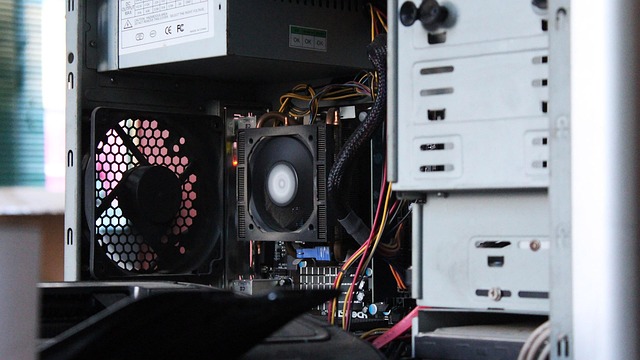
A modern CPU cooler is a physical ode to physics. Heat pipes whisk thermal energy away from the die, vapor chambers spread it evenly across fins, and fans create pressure differentials that fling warmth into ambient air. Every grooved fin and micro-etched surface area is an engineering love letter to that single keyword: Temperature. Superior surface area means lower junction temps, translating to higher sustained clocks and longer component life.
Liquid Cooling: When Water Becomes Binary
Custom loops push hardware artisanship further. Distilled water, glycol additives, and clear tubing form glistening circuits as essential as any PCB trace. Pump RPM, radiator size, and coolant flow rate are variables in an equation with one goal: keep Temperature delta across the block under control. The first time you watch coolant flicker beneath RGB lights, you realize cooling isn’t a chore—it’s an aesthetic statement woven into the core of informational technology.
Data Centers: Where Climate Control Meets Cloud Dreams
If a single enthusiast rig behaves like a personal weather system, data centers resemble continents. Here, raised floors channel chilled air, hot aisles funnel exhaust, and control algorithms sample thermistors thousands of times per minute. The mission: maintain optimal Temperature for acres of servers crunching petabytes. When streaming a movie or deploying a container, remember the ballet of chilled water loops, economizers, and intelligent airflow happening behind every click.
Smart Sensors and Predictive Analytics
In today’s IT ecosystems, machine learning watches heat maps in real time, forecasting thermal spikes before they occur. Predictive analytics now directs fan curves and workload migration, turning Temperature into an actionable data stream. The once passive act of cooling has graduated to proactive thermal orchestration.
Hands-On Tips for the Hardver Enthusiast
- Case Orientation: Vertical GPU mounts may look sleek, but make sure spacing permits proper airflow to keep Temperature headroom.
- Fan Curves: Motherboard BIOS tools let you script rpm ramps that match workload patterns—silent at idle, forceful under load.
- Thermal Paste: Replace stock compounds every two years; viscosity breakdown can raise junction T by several degrees.
- Dust Discipline: A 1 mm felt of dust can act like a fleece blanket on fins. Compressed air is cheaper than a new GPU.
- Monitoring: Pair hardware sensors with open-source dashboards; setting alert thresholds keeps surprises at bay.
The Emotional Circuit
There is poetry in realizing that every frame rate achievement, every low-latency packet, and every touchdown of code on silicon depends on a balance we can’t see but can feel—the cool whisper of managed Temperature. As we master IT, we also master the quiet art of thermal harmony, ensuring the machines we love keep their rhythm for years of creation, play, and discovery.