The Ultimate Guide to Processor Sockets in the World of IT Hardware

Welcome to the ultimate guide for all tech enthusiasts out there diving into the intricate world of IT hardware! One of the key components that often gets overlooked but is absolutely crucial for the functioning of your system is the processor socket. So, let’s unravel the mysteries of processor sockets in the realm of IT hardware.
Understanding Processor Sockets
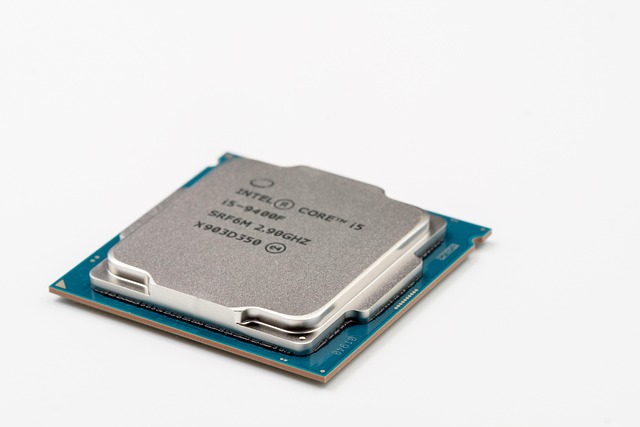
Processor socket serves as the interface between the processor and the motherboard, enabling the chip to communicate with other hardware components effectively. It acts as a crucial bridge that ensures seamless interaction within your system.
The Evolution of Processor Sockets
Over the years, we have witnessed a myriad of processor sockets, each designed to accommodate specific processor types. From the classic Pin Grid Array (PGA) sockets to the modern Land Grid Array (LGA) sockets, the evolution has been constant to keep up with the ever-changing landscape of IT hardware.
Compatibility and Upgradability
When selecting a processor socket, compatibility is paramount. It’s essential to ensure that both the processor and motherboard feature compatible sockets to avoid any compatibility issues. Additionally, opting for a future-proof socket can enhance the upgradability of your system, allowing for seamless upgrades down the line.
Factors to Consider
When choosing a processor socket, various factors come into play, such as the chipset compatibility, processor generation, and form factor. Understanding these factors can help you make an informed decision and optimize your system’s performance.
Conclusion
Processor sockets are the unsung heroes of IT hardware, playing a vital role in the seamless functioning of your system. By delving into the realm of processor sockets, you can unlock a world of possibilities and take your tech experience to new heights.